Moving science and practice forward: six positions, owned and argued.
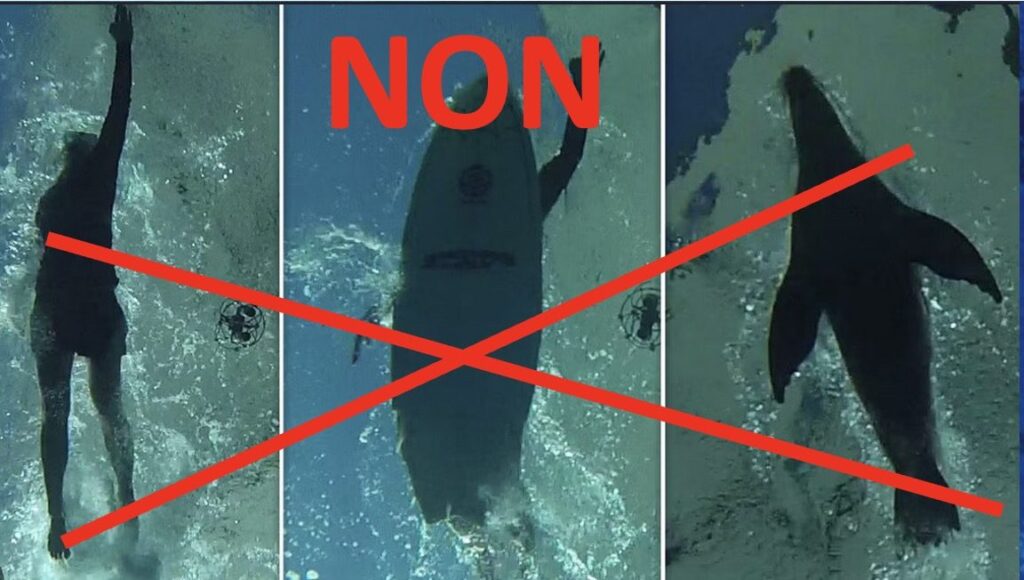
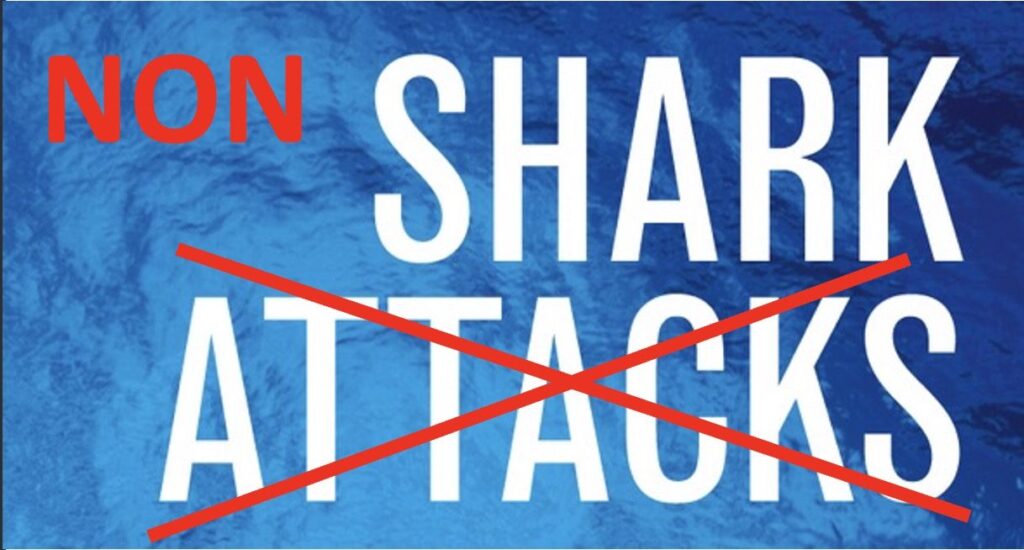
The choice of words is fundamental in shaping perception, and the priority for sharks is to abandon the term “attack”, which implies a will — non-existent in reality — of the animal to harm humans. In terms of risk perception, we must also abandon the idea that “the shark makes a mistake” when it goes after a human for predatory purposes, because that amounts to thinking that all sharks can make a mistake and bite, when only a tiny fraction will do so — consciously, indeed, but very rarely.
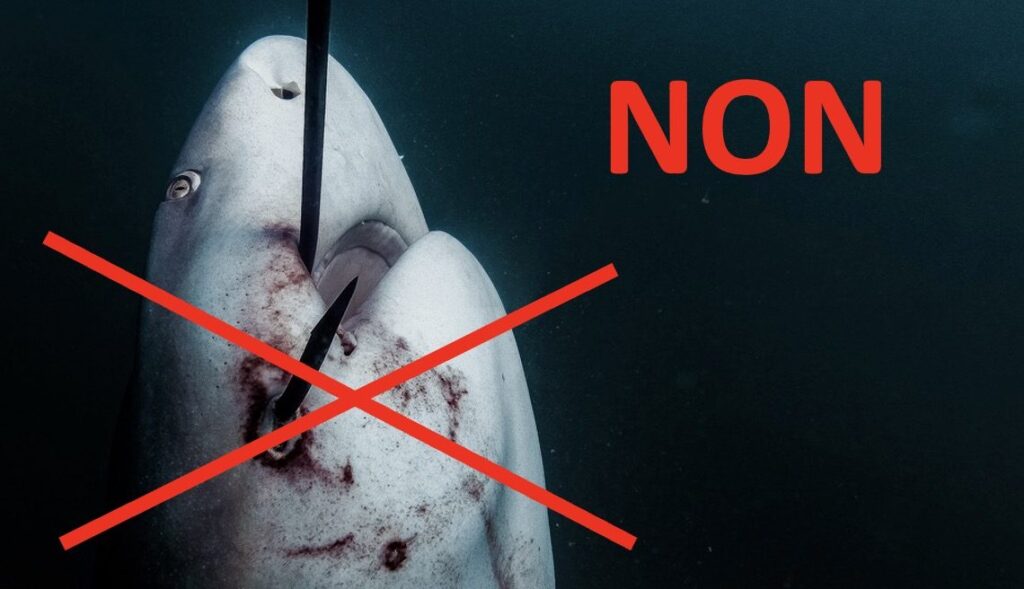
I firmly condemn the use of indiscriminate shark culls, whose effectiveness has never been proven.
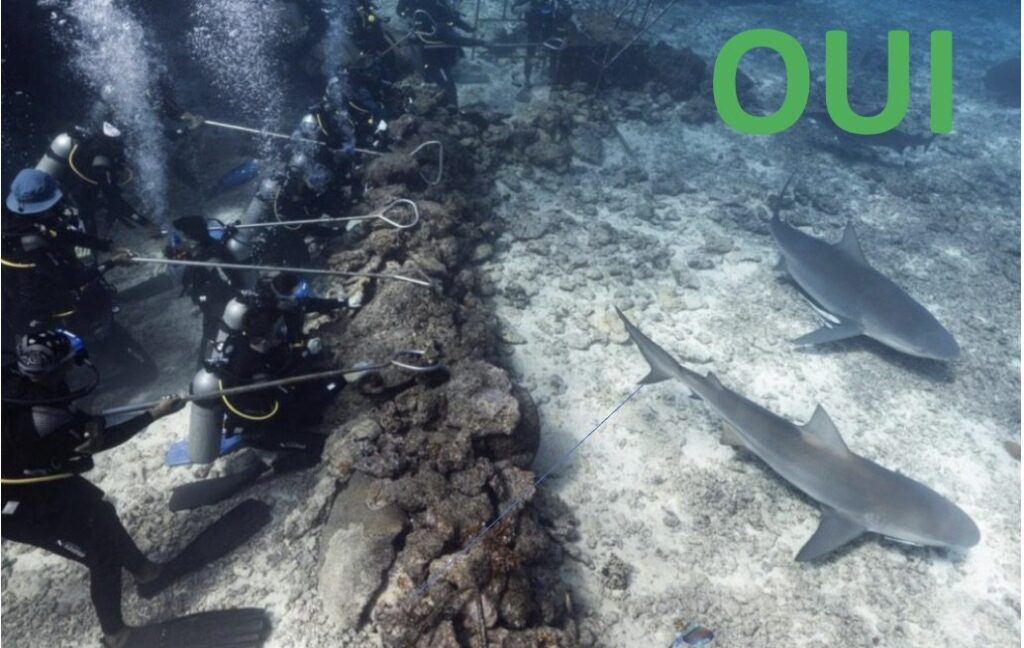
Conversely, and against all intuition, we believe that artificial provisioning for scientific purposes makes it possible to aggregate potentially dangerous sharks in order to study them, divert them from humans (through a food-outlet effect) and, if necessary and potentially, neutralize them more effectively.
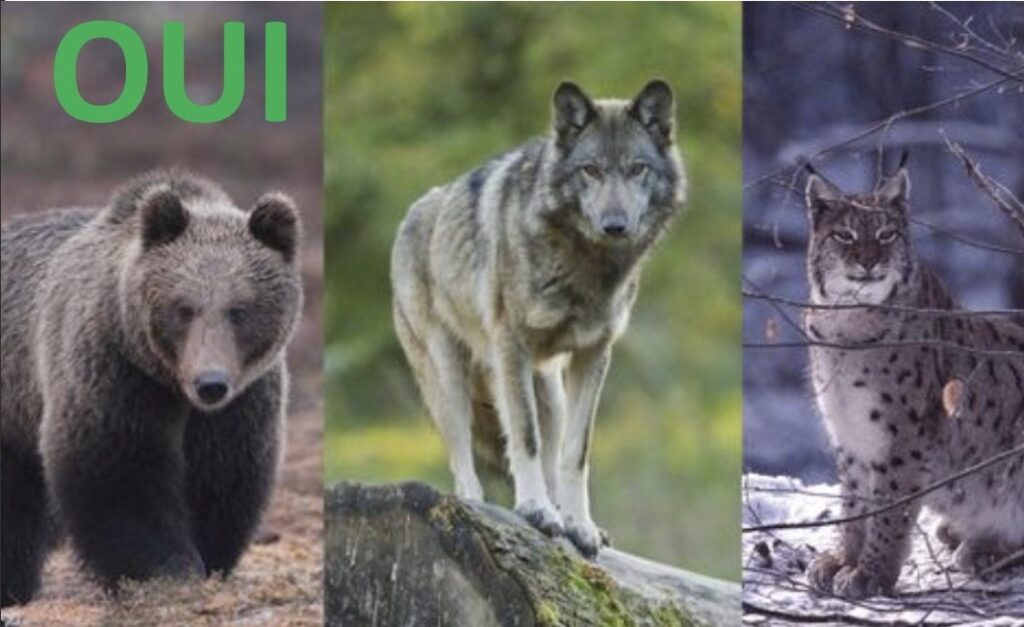
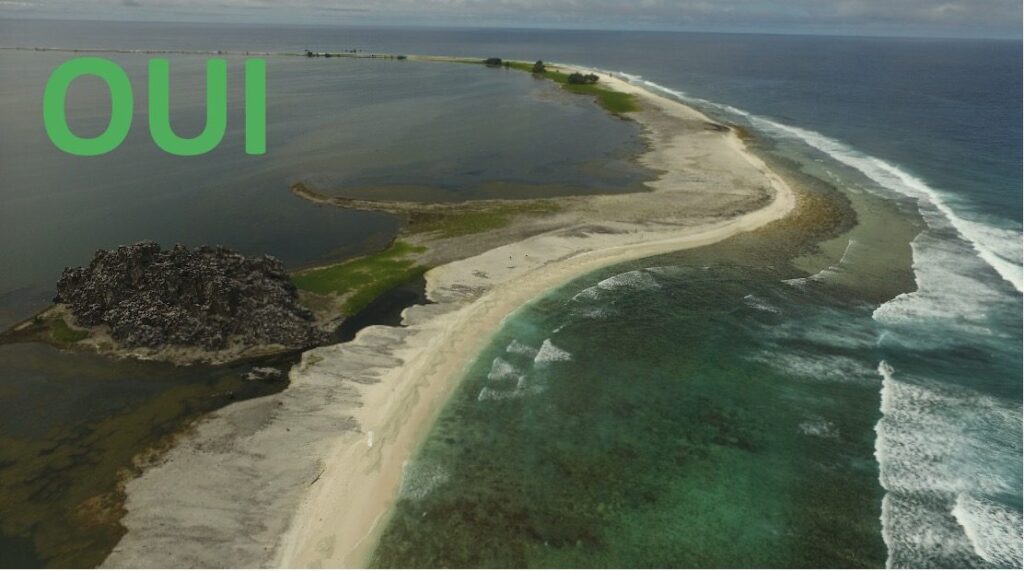
Beyond sharks, I am transferring and developing my expertise on land to help improve interactions between terrestrial predators (bears, wolves, lynx, etc.) and humans. Finally, since 2016 I have been deeply involved in the study and implementation of protection measures for CLIPPERTON atoll (Central-Eastern Pacific).
Abandoning the word “attack” in favor of the neutral, factual term “bite”.
Widely accepted, never proven: the shark explores, it does not “make a mistake”.
With no proven effectiveness and a source of ecosystem imbalance, indiscriminate culls must be banned.
A precious tool to study, monitor and divert sharks away from humans.
Bears, wolves, lynx: the same fight for acceptance and peaceful coexistence.
An oasis of life and a sentinel of climate change, the atoll must be protected at all costs.
A question, a proposal, an interview request? This form lands directly in my inbox.
Your message has been sent.