The indiscriminate culls implemented after a fatal bite on a human aim to reduce the risk by reducing the number of sharks, without discrimination. They rest on the “density dependence” of risk (“the more sharks, the higher the risk”), a hypothesis that has never been demonstrated and is probably false, given that humans are not a natural, instinctive prey of sharks.
With no proven effectiveness, and the source of worrying ecosystem imbalances, these culls must be banned.
It is an easy way out, generally chosen for political reasons and to satisfy the desire for revenge — as blind as it is foolish — of a population wounded by fatal bites. These culls are responsible for numerous bycatches of non-targeted species (often endangered themselves), whatever their form — nets or longlines (even so-called “smart” ones). Given the conservation stakes, the only concession that appears relevant is the selective removal (see PROGENIR) of the rare sharks that have bitten at least once, in order to prevent any repeat offense (a priori more likely than a bite by a new individual).
I recently joined the association Veterinarians For Biodiversity (VPB), where I serve as scientific lead of the Sharks & Rays Technical Group. Besides setting up a monitoring network for elasmobranch strandings, we campaign for the abandonment of indiscriminate culls.
Further reading
See also
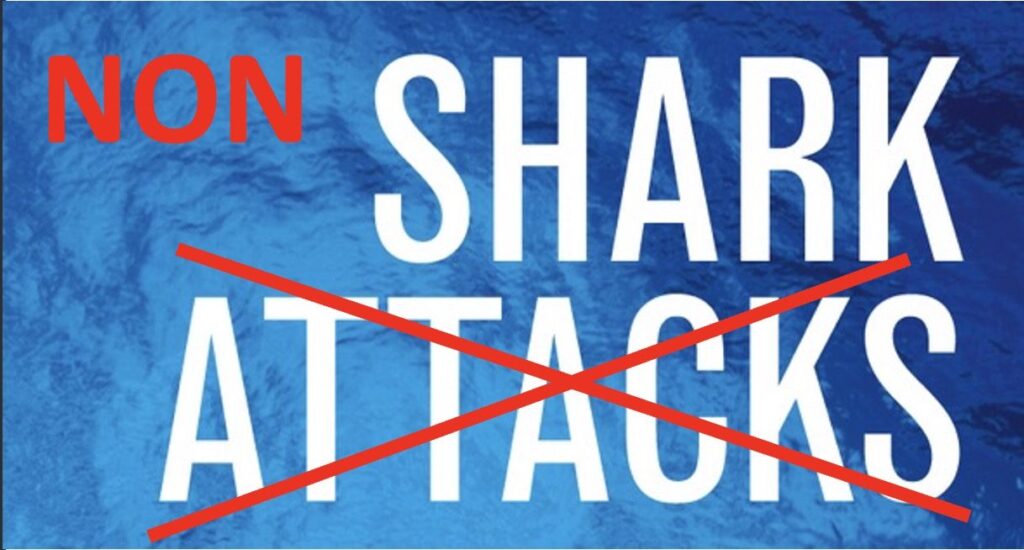
Terminology
Abandoning the word “attack” in favor of the neutral, factual term “bite”.
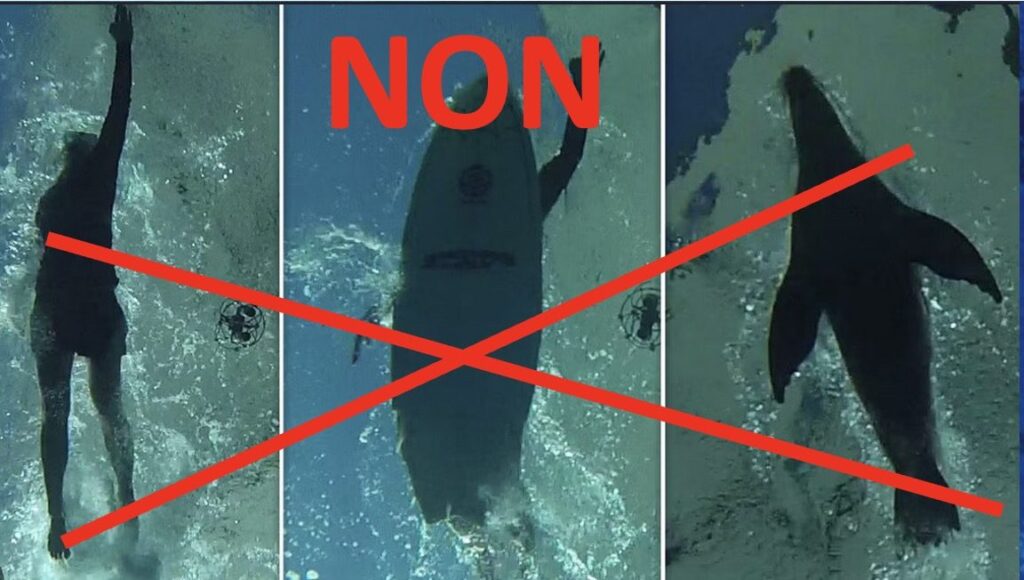
Abandoning the mistaken identity hypothesis
Widely accepted, never proven: the shark explores, it does not “make a mistake”.
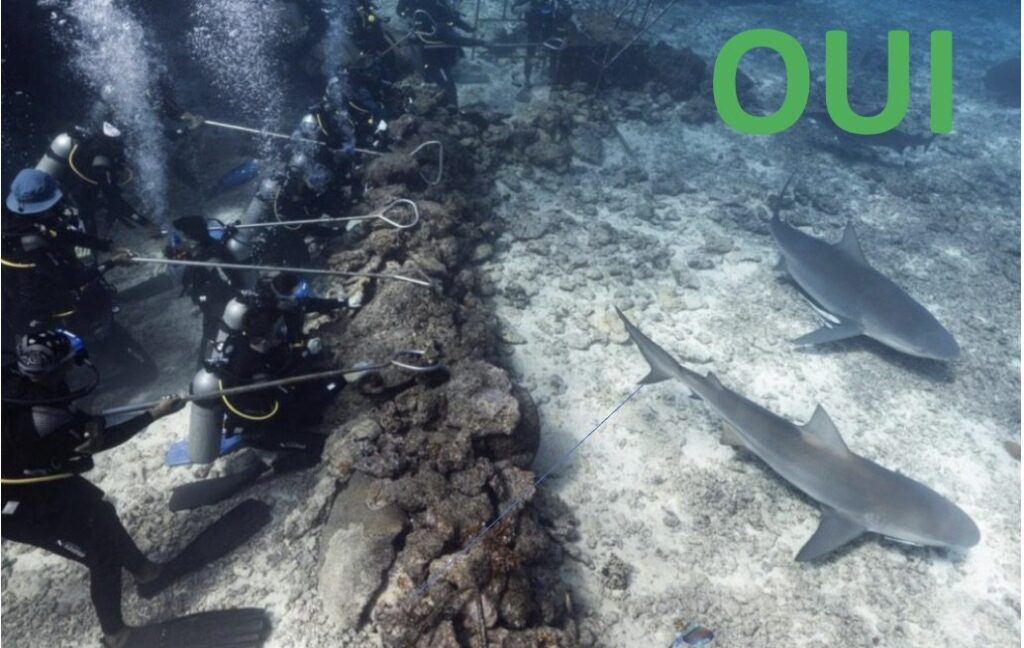
Scientific shark feeding
A precious tool to study, monitor and divert sharks away from humans.
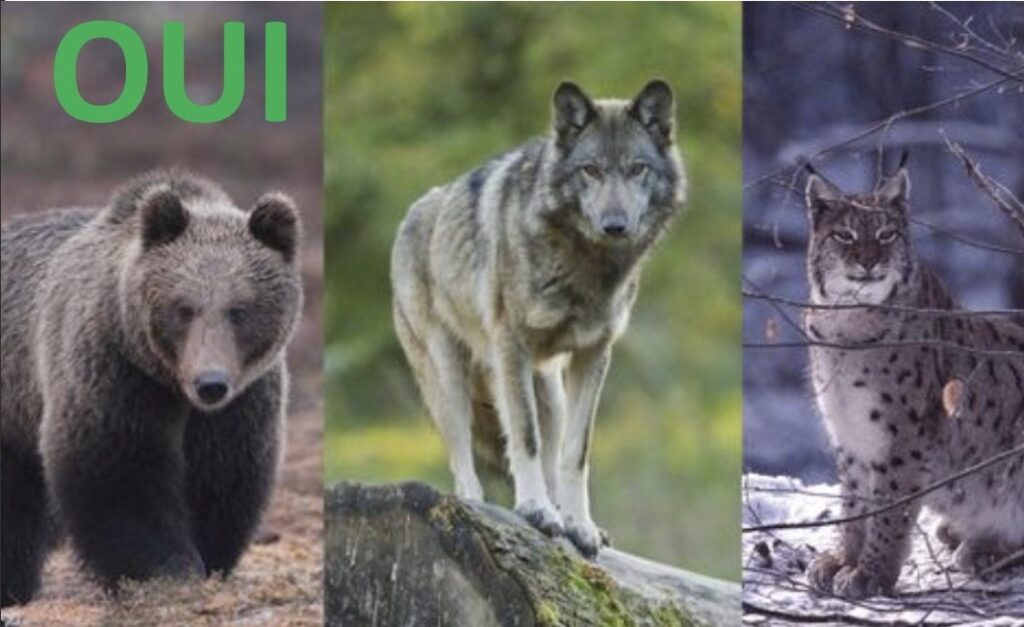
Terrestrial predators
Bears, wolves, lynx: the same fight for acceptance and peaceful coexistence.
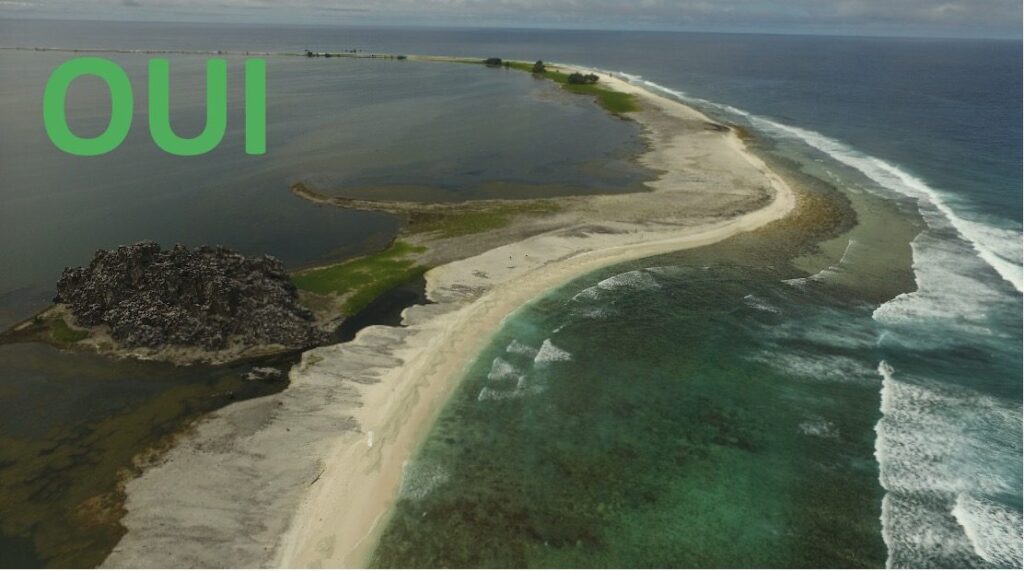
Clipperton
An oasis of life and a sentinel of climate change, the atoll must be protected at all costs.