The “mistaken identity hypothesis” (MIH) suggests that shark bites on surfers, swimmers and freedivers stem mainly from similarities between the visual appearance of these sea users and the typical prey of sharks. The MIH is now widely accepted as an established fact by the general public and by some scientists, even though it has never been proven. This hypothesis assumes that such bites are driven by visual cues alone, and ignores the important role of the other senses (hearing in particular), which play a key part in discriminating potential prey.
Sharks do not make mistakes: they continuously explore their environment.
A much simpler hypothesis of “natural exploration” can reasonably explain not only the shark bites usually characterized as “mistaken identity”, but also those that cannot reasonably be explained by the MIH (for instance, bites occurring in very clear water, or on humans who bear no resemblance to natural prey). Sharks routinely assess new objects as potential prey by biting them, depending on their natural boldness and their level of satiety. For more details, read our 2023 study (in French).
This hypothesis is spread by pop culture, notably through humor, which is unfortunately an effective lever; as suggested by my 2026 study, we should keep the vehicle (humor) but change the message…
Further reading
See also
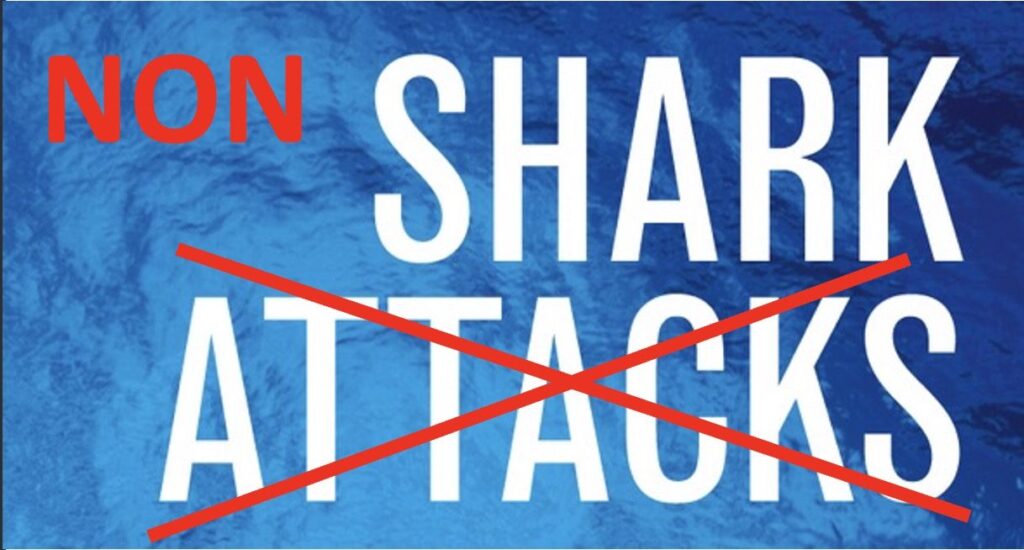
Terminology
Abandoning the word “attack” in favor of the neutral, factual term “bite”.
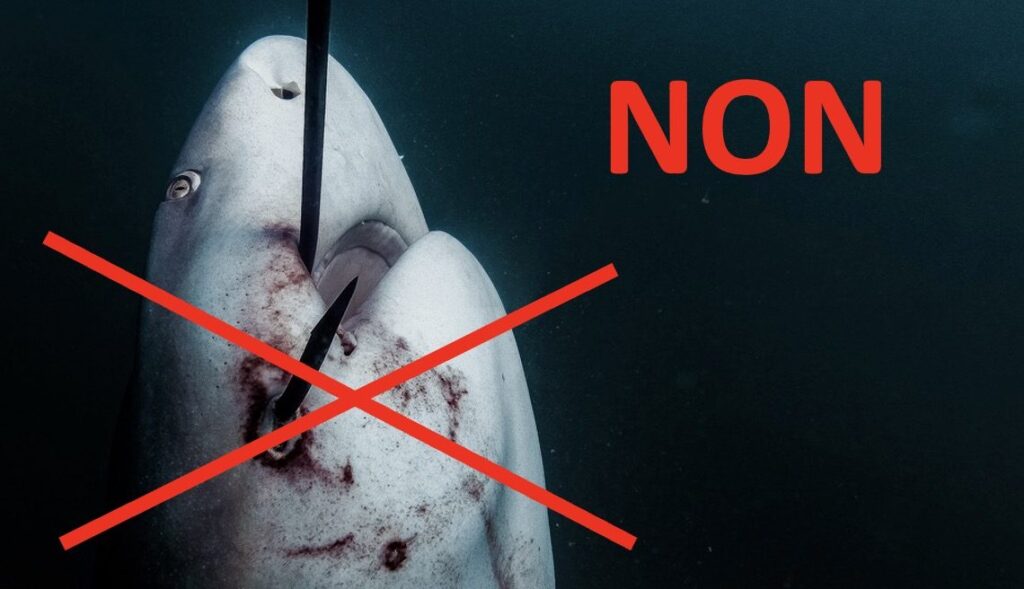
Abandoning indiscriminate culls
With no proven effectiveness and a source of ecosystem imbalance, indiscriminate culls must be banned.
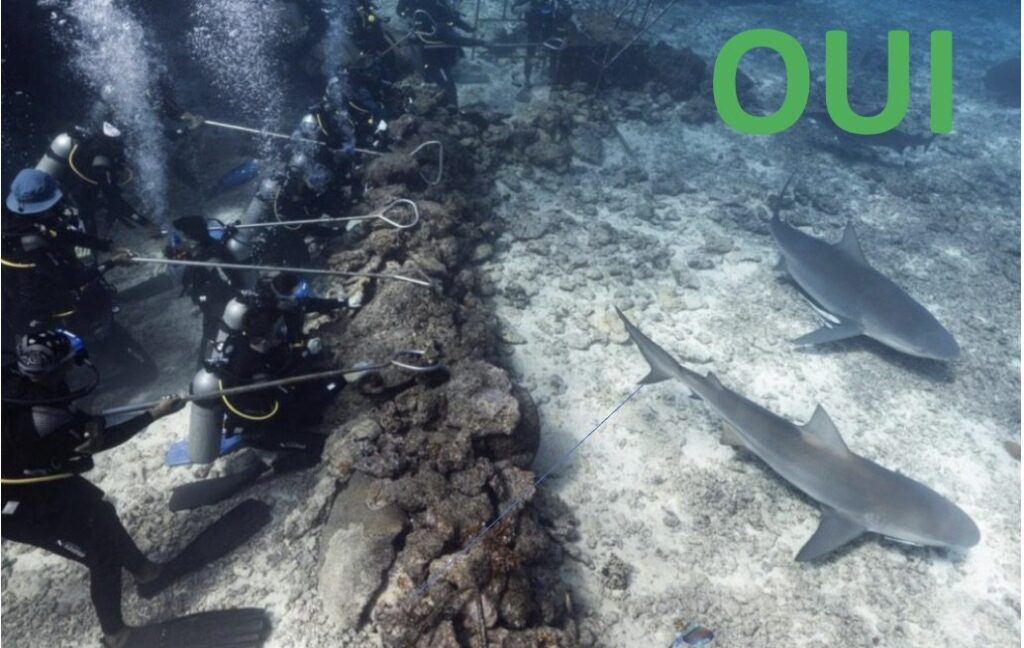
Scientific shark feeding
A precious tool to study, monitor and divert sharks away from humans.
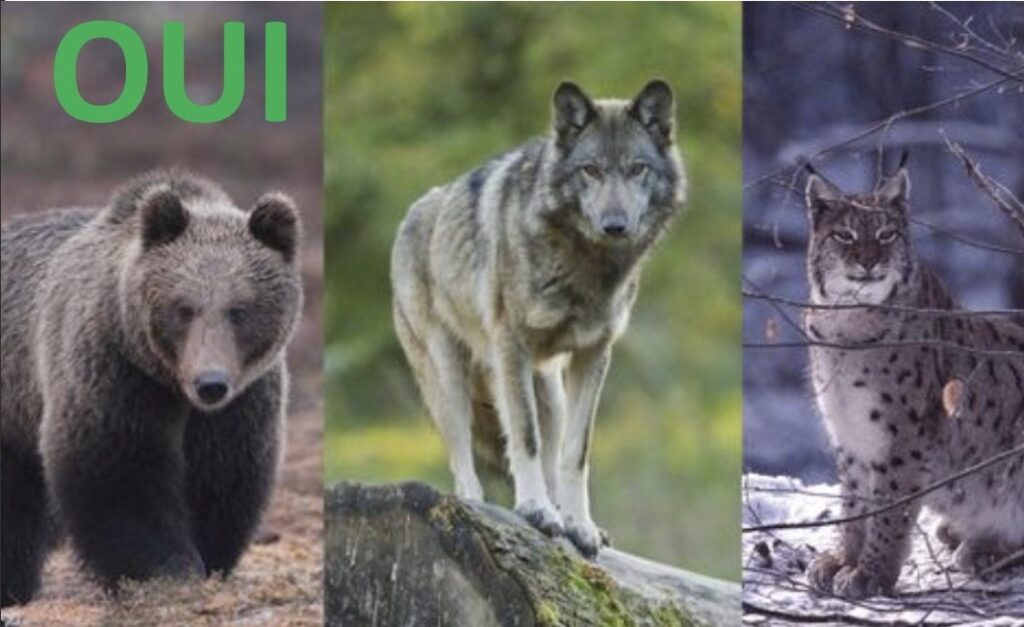
Terrestrial predators
Bears, wolves, lynx: the same fight for acceptance and peaceful coexistence.
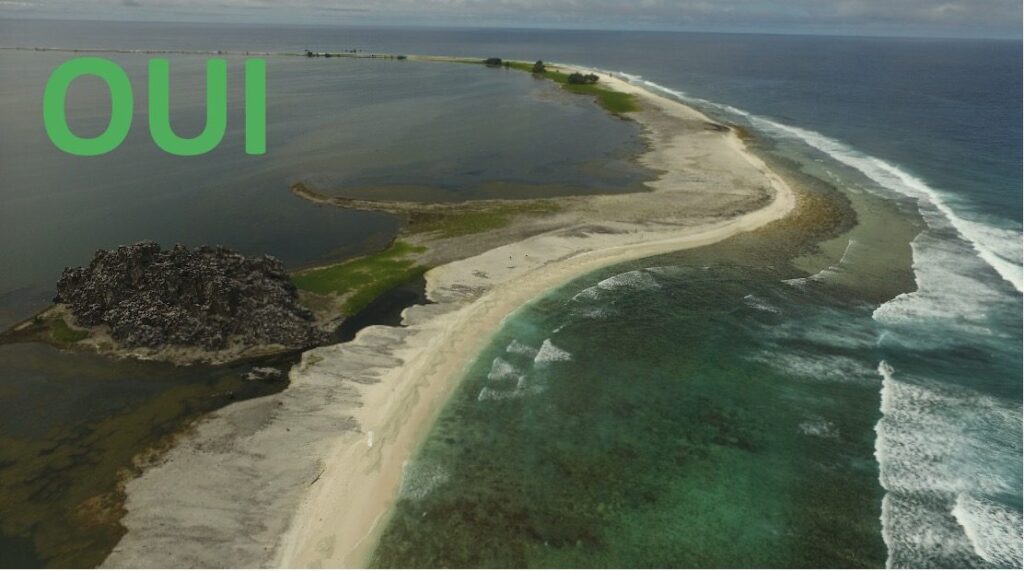
Clipperton
An oasis of life and a sentinel of climate change, the atoll must be protected at all costs.