My research in the behavioral ecology of marine predators led me to collaborate with the Norwegian researcher John LINNELL, a recognized specialist in large terrestrial predators. It was with him that I demonstrated, in 2018, the relevance of the hypothesis that problem individuals exist within large shark populations, before demonstrating the actual existence of repeat-biting sharks in 2024.
The problem of biased risk perception is the same with bears, wolves or lynx.
It turns out that while the emergence of animals with atypical behavior is similar across taxa, coexistence is far from peaceful and, alongside the marine issues involving sharks, I will likely invest myself more and more in this terrestrial fight involving the large mammals liable to interfere with humans. Just as I designed an innovative strategy for neutralizing biting sharks, one of my goals is to work — with veterinary colleagues — on optimizing a drone prototype allowing the nighttime remote anesthesia of bears and other potentially dangerous animals.
We are currently contributing to training modules for the education of livestock guardian dogs, for protection against natural predators and for safety issues involving humans. I recently joined the association Veterinarians For Biodiversity (VPB), and I contribute to its bear, wolf and lynx technical groups.
See also

Terminology
Abandoning the word “attack” in favor of the neutral, factual term “bite”.
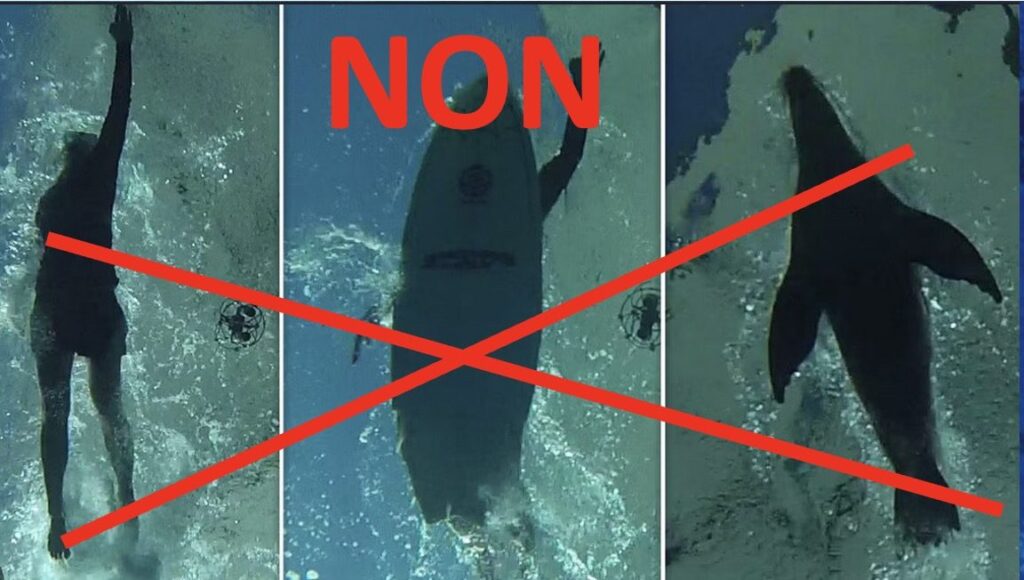
Abandoning the mistaken identity hypothesis
Widely accepted, never proven: the shark explores, it does not “make a mistake”.
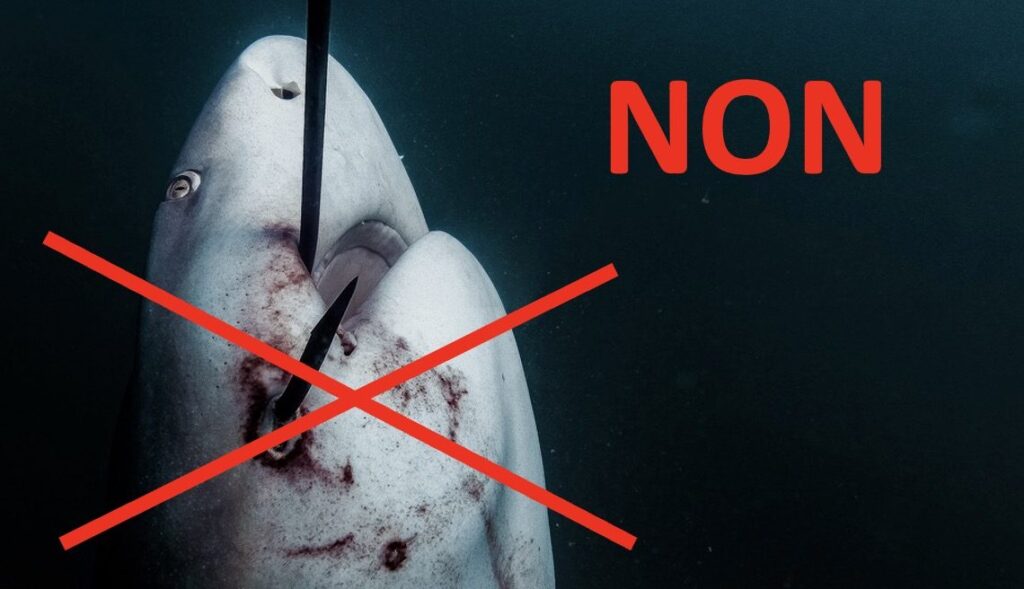
Abandoning indiscriminate culls
With no proven effectiveness and a source of ecosystem imbalance, indiscriminate culls must be banned.
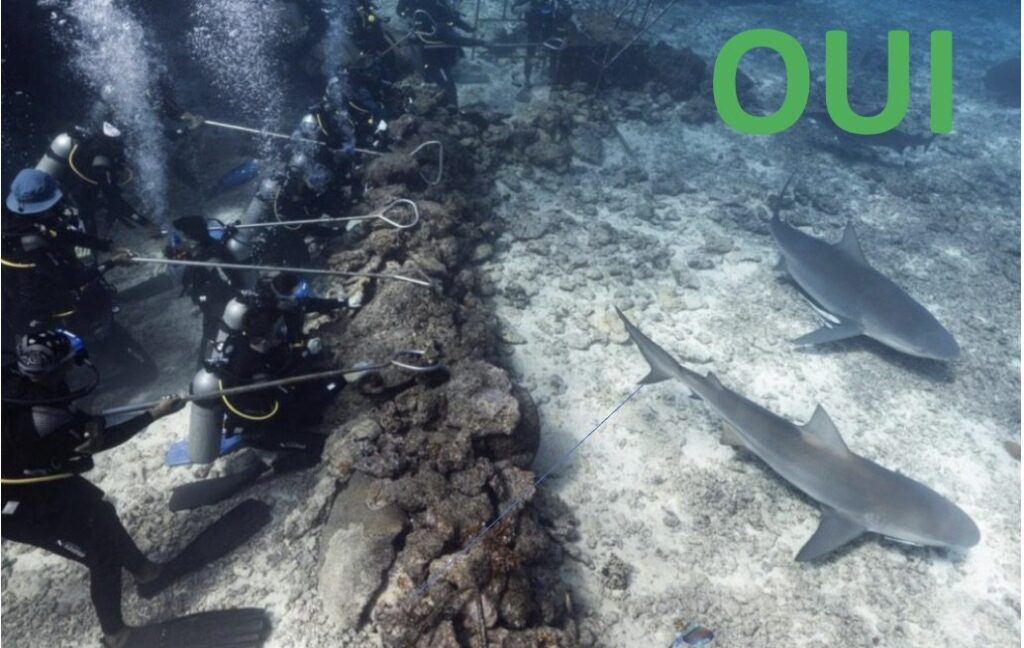
Scientific shark feeding
A precious tool to study, monitor and divert sharks away from humans.

Clipperton
An oasis of life and a sentinel of climate change, the atoll must be protected at all costs.