Provided that protocols limiting the risk of interactions with divers are applied, Shark Artificial Aggregations for a Scientific Purpose (SAASP) are a major asset for studying sharks, with effects on the ecology and health of large shark species that are entirely marginal and acceptable.
Far from increasing the risk of predatory bites, SAASP would actually help reduce their probability.
They can prove particularly valuable for knowing in detail (number of individuals, individual behavioral and genetic profiles, etc.) a shark population that is potentially dangerous for surrounding human activities, allowing comprehensive monitoring and the possibility of easily identifying a biting shark in order to potentially neutralize it (see PROGENIR). Beyond being a monitoring and identification tool, the mere fact of attracting the animals with olfactory stimuli and feeding some of them can serve as a food outlet capable of diverting the animals from potential human targets.
As for clumsiness or competition bites on humans (which occur when protocols are poorly designed), they remain superficial and confined to the feeding area alone.
Further reading
See also
Terminology
Abandoning the word “attack” in favor of the neutral, factual term “bite”.
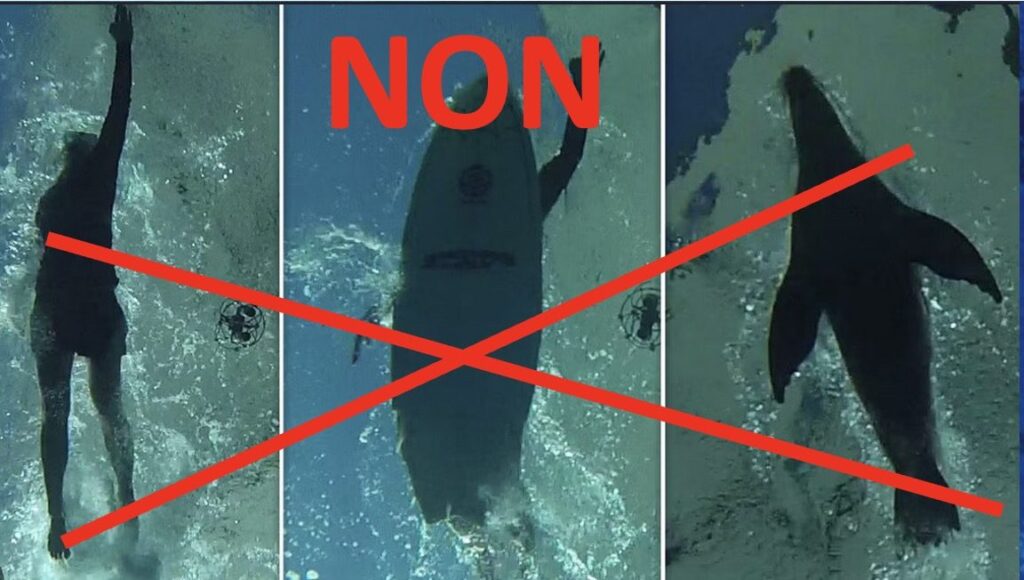
Abandoning the mistaken identity hypothesis
Widely accepted, never proven: the shark explores, it does not “make a mistake”.
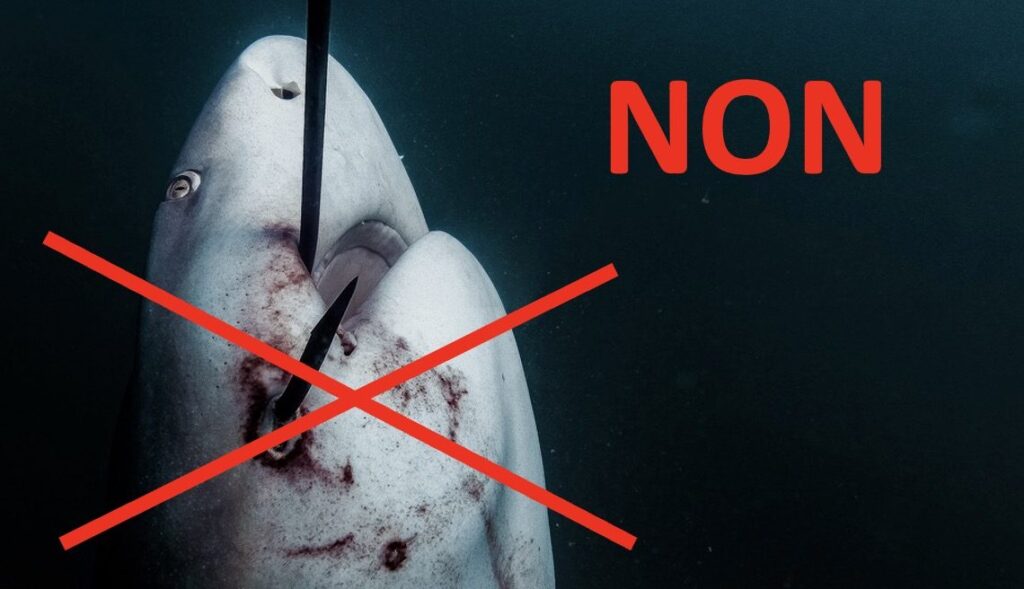
Abandoning indiscriminate culls
With no proven effectiveness and a source of ecosystem imbalance, indiscriminate culls must be banned.

Terrestrial predators
Bears, wolves, lynx: the same fight for acceptance and peaceful coexistence.
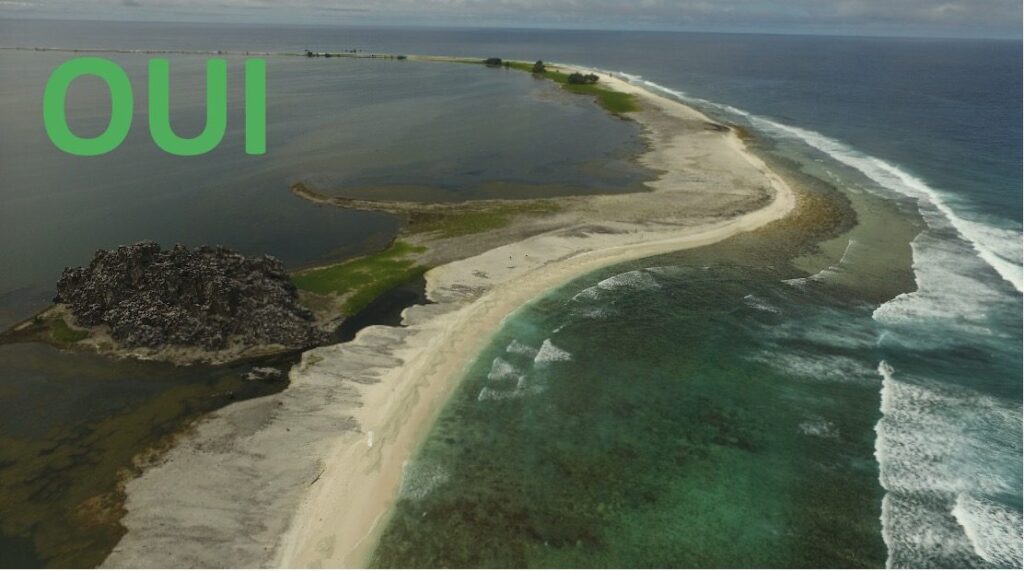
Clipperton
An oasis of life and a sentinel of climate change, the atoll must be protected at all costs.